Rose Cross Meditation
- Apr 9, 2025
- 4 min read
Updated: Apr 10, 2025
Mental Projections
Our mind functions like a video projection. The images we see in the theater of our mind are projected from the “back” of the mind; that inner sense of “I” within consciousness, the Source, the Soul. To understand this concept better, let’s analyze a simple three-part structure of video projection technology:
1. the image on the projector screen
2. the light that travels across the room to the screen
3. the source of light, the projector device
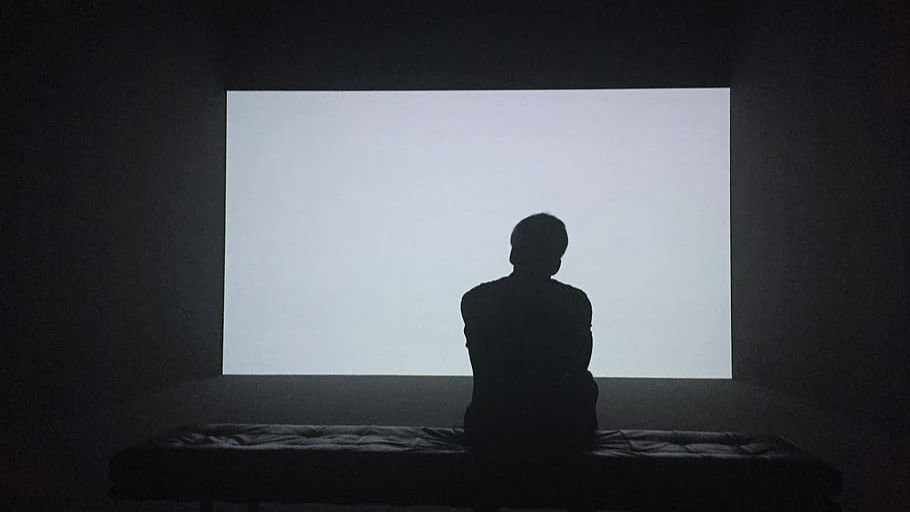
The images on the projector screen can be associated to the images inside our head—the theater of the mind. The light which travels across the room to the projector screen are associated to the mental signals which create the images in our imagination. The projector device is associated to the mind’s internal energy source, the Soul. We can then outline three parts of the mind's function through this simple analogy: the theater images, the traveling signals, and the source (the Soul).
A method of finding our way back to the source (finding our Soul) is called meditation. One form of meditation which guides consciousness back to that deep sense of inner being is the Rose Cross Meditation.
The Red Rose
The blood is very symbolic of the human passions. We often say somebody’s “blood is boiling,” which refers to an expression of anger; or that someone is “cold blooded,” which refers to an action without emotional thought or compassion. The blood is analogous to human emotional reactions. In the Rose Cross Meditation, the red rose represents the blood which has been sanctified from evil or malevolence, or at least partially, for the process of purification is a lifelong process.
The purpose of purifying our passions is to redirect them towards noble actions in the world. For example, musicians are passionate about creating new music and building communities. Non-fiction writers are passionate about exploring new topics and asking interesting research questions, which then are presented to the world in books to facilitate progress and change. Public speakers and public intellectuals are passionate about getting a universal message across to society. Business entrepreneurs are passionate about making money, and there’s a movement to develop “conscious leadership” which brings spiritual concepts into the economic world. These are a few examples of taking our passions and redirecting them towards a project that helps a community grow closer together, and closer to the reality of the world.
The Rose Cross
We begin by finding a comfortable sitting posture and settling the mind down; clearing away daily thoughts and being present in the moment. We imagine across the room a black cross with a red rose in the center; typically this is done with seven red roses, but we can begin with just one. Upon imagining this image, associations will arise from previous memories, allow these stories to flow through the theater of the mind as if you were watching a movie on a projector screen. Sometimes positive associations will arise, sometimes negative associations will appear, it’s all part of the movie which is unfolding in Mechanical Thinking. At this point, one can observe the rising and falling away of thoughts and energy associated with the Rose Cross; this is the opening scene of the movie. Just as every movie has action scenes, dramatic performances, and scenes of serenity, our mind too goes through various mental streams, or mental vibrations. After a while, initial turbulent thoughts settle down and calmness enters the space. After having basked in the mind's initial opening thoughts and feelings, we’re now going to re-write the mental script, and transform our experience from the inside out.
Let's associate the image of the black cross with the dark passions of human nature—envy, hate, lust, greed, deception. These are the energetic systems which must be recycled—purified—within the depths of a human beings, the soul. The red rose (or seven roses) in the center of the cross are associated to the noble human passions that have been purified—love, compassion, service to community, etc. The essence of this meditation is that dark passions or emotions are transformed into positive virtues which the rose represents.
By rewriting the associations to the image, we are then in a position to alter our experiences in the world; altering the movie script inside our imagination, alters our experience in real world affairs. A symbolic mental image like this has the power to awaken the Soul’s hidden senses—clairvoyance, Inspirational Thinking, Intuitive Thinking.
The more one practices recalibrating the mind, the clearer the new mental images appear and the longer we can hold them in the mind’s eye. This is just a brief outline and summary of the first two stages of the Rose Cross Meditation, which is presented in detail in Jorgen Smit’s book Meditation: Transforming Our Lives for the Encounter with Christ, which the first fifteen pages of the book are available for free through his website.
The third stage of the Rose Cross meditation involves complete unification with the Rose Cross image—both in thought and feeling. One no longer observes the image as a separate object but as being unified with it. It's at this stage that one begins to develop Inspirational Thinking. The journey to the Higher Worlds involves a purification process which the Rose Cross Meditation inspires one to initiate.
The aim of this short essay was to introduce the process of initiating Inspirational Thinking through the exploration of the first two stages of the Rose Cross Meditation—which is found in detail in Jorgen Smit’s book. But the ultimate aim of any form of meditation is to attain what many spiritual researchers call Christ Consciousness or direct connection with the Etheric Christ.


Comments